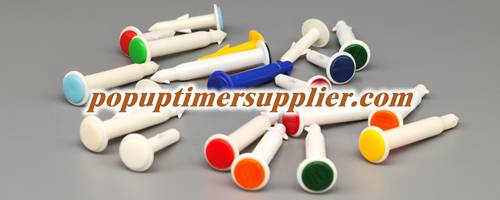
How Food Companies Should Prepare Before Contacting a Disposable Pop-Up Timer Supplier
How Food Companies Should Prepare Before Contacting a Disposable Pop-Up Timer Supplier
For professional buyers, contacting a disposable pop-up timer supplier is the first step toward building a reliable supply relationship. However, the quality and speed of supplier communication often depend on how clearly the project requirements are prepared.
A complete inquiry helps manufacturers better understand the application, recommend suitable solutions, and provide more accurate quotations.
This guide explains the key information food companies should prepare before contacting a disposable pop-up timer supplier.
Why Preparation Matters Before Supplier Communication
Many purchasing projects become inefficient because important product details are missing during the initial inquiry.
Clear information helps suppliers understand:
- Product requirements
- Application scenarios
- Order expectations
- Customization needs
Better communication creates a stronger foundation for successful cooperation.
1. Define the Product Application
The first step is explaining how the disposable pop-up timer will be used.
Important application information may include:
- Food type
- Cooking process
- Processing environment
- Target market
Different applications may require different product specifications.
2. Confirm Required Activation Temperature
Activation temperature is one of the most important specifications for disposable pop-up timers.
Buyers should consider:
- Required temperature point
- Cooking requirements
- Product characteristics
- Market expectations
Providing temperature requirements early allows suppliers to recommend appropriate solutions.
3. Specify Product Size Requirements
Disposable pop-up timers may be available in different sizes depending on application needs.
Buyers should confirm:
- Product dimensions
- Insertion requirements
- Food product size
- Packaging limitations
Clear size requirements help avoid unnecessary adjustments later.
4. Prepare Expected Order Quantity
Order quantity is an important factor when requesting supplier quotations.
Buyers should provide:
- Initial order quantity
- Estimated annual demand
- Repeat order expectations
- Project timeline
This information helps suppliers evaluate production planning and pricing options.
5. Identify Packaging Requirements
Packaging requirements often vary depending on the business model.
Common packaging considerations include:
- Bulk packaging
- Retail packaging
- Private label packaging
- Custom printed packaging
Early packaging discussion improves project efficiency.
6. Prepare OEM Customization Requirements
Many companies require customized products for their brands or customers.
Common OEM requirements include:
- Custom colors
- Custom activation temperature
- Logo customization
- Special packaging design
The more detailed the requirements, the easier it is for manufacturers to provide suitable solutions.
7. Understand Material and Compliance Expectations
Food companies often need product information before supplier approval.
Buyers may request information regarding:
- Material specifications
- Food-grade requirements
- BPA-free requirements
- Available certifications
Clear compliance expectations help suppliers match buyer requirements.
8. Provide Target Market Information
The destination market can influence product and documentation requirements.
Important information includes:
- Country or region
- Customer type
- Industry application
- Distribution channel
Experienced suppliers can better support different international markets when they understand the final application.
9. Ask the Right Supplier Questions
Professional buyers should evaluate suppliers through meaningful questions.
Useful questions include:
- How long have you manufactured this product?
- Do you support OEM production?
- What customization options are available?
- What quality control procedures are used?
- Can you support bulk orders?
The right questions help buyers identify suitable long-term partners.
Why Experienced Suppliers Provide Better Support
Disposable pop-up timers are specialized temperature indication products.
Experienced manufacturers understand:
- Product specifications
- Production processes
- Food industry applications
- International purchasing needs
This experience helps create smoother cooperation between buyers and suppliers.
A Simple RFQ Checklist for Disposable Pop-Up Timers
Before sending an inquiry, buyers can prepare:
- Application details
- Required temperature
- Product size
- Order quantity
- Packaging requirements
- Customization needs
- Target market
A complete RFQ allows suppliers to respond more efficiently.
Frequently Asked Questions
What information should buyers provide when contacting suppliers?
Buyers should provide application details, specifications, quantity, packaging requirements, and customization needs.
Why is activation temperature important?
Activation temperature determines when the product provides its temperature indication signal.
Should buyers mention their target market?
Yes. Market information helps suppliers understand application and compliance expectations.
Can suppliers help buyers select suitable specifications?
Yes. Experienced suppliers can recommend solutions based on application requirements.
What quantity should buyers include in inquiries?
Buyers should provide expected order quantities or estimated purchasing demand.
Can disposable pop-up timers be customized?
Yes. Professional manufacturers can support customization options for commercial customers.
Why is packaging information important?
Packaging affects production planning, branding, and distribution requirements.
What makes a good supplier inquiry?
A good inquiry includes clear technical requirements, purchasing expectations, and application information.
Why work with specialized manufacturers?
Specialized manufacturers usually provide stronger product knowledge and technical support.
How can companies start supplier cooperation?
Companies can begin by preparing product requirements and discussing solutions with qualified manufacturers.
Disclaimer: "Pop-Up Timer" and "Temperature Indicator" are generic industry terms used for disposable food temperature indication products. We are an independent China-based direct-source manufacturer specializing in disposable pop-up timers and temperature indicators since 2006. We are not affiliated with VOLK or any other third-party brand. Any brand references are provided only for identification and comparison purposes.